Rising Fuel Prices Across Europe How It’s Impacting Travel, Logistics, and Everyday Costs
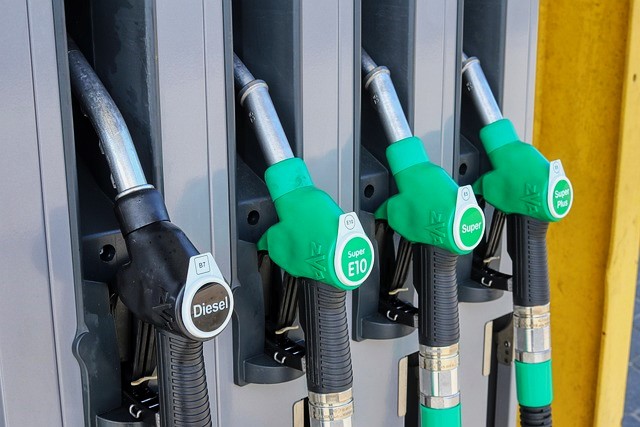
Fuel prices across Europe have been rising steadily, creating ripple effects across travel, logistics, and daily living costs. While the issue affects the entire continent, the impact is particularly visible in the United Kingdom due to its close economic ties with European energy markets. From airline tickets and delivery services to everyday commuting, higher fuel costs are reshaping how people move and spend. For travellers, businesses, and transport providers alike, rising fuel prices are no longer a short-term concern. They are becoming a defining factor in travel decisions and operational planning across the UK.
Why Fuel Prices Are Rising Across Europe
Several factors are driving fuel price increases across Europe. Global oil supply fluctuations, geopolitical tensions, production cuts, and increased post-pandemic travel demand have all contributed to higher fuel costs. Seasonal demand and currency fluctuations have also played a role, making fuel pricing less predictable. Although the UK is no longer part of the European Union, it remains connected to global fuel markets. This means changes in European energy supply and pricing trends directly influence fuel costs in the UK, affecting both businesses and consumers.
Impact on Travel Across the UK
Rising fuel prices have changed the way people travel. Many individuals are reconsidering long-distance driving due to increased fuel expenses. Weekend road trips, daily commuting, and airport journeys now come with higher out-of-pocket costs than in previous years. Air travel has also been affected. Airlines face higher operational costs, which often translate into increased ticket prices and additional fees. As a result, travellers are becoming more selective about when and how they travel. For everyday travel, UK residents are increasingly looking for cost-efficient and predictable transport options. This shift has contributed to growing interest in professional transport services that offer transparent pricing and eliminate fuel-related uncertainty for passengers.
Logistics and Supply Chain Challenges
The logistics sector has been one of the hardest hit by rising fuel prices. Delivery companies, freight operators, and supply chain businesses rely heavily on fuel to keep goods moving. As fuel costs increase, logistics companies face difficult choices between absorbing costs and passing them on to customers. These rising expenses have contributed to higher prices for everyday goods, including food, household items, and retail products. Consumers may not always see fuel costs listed explicitly, but they are reflected in overall pricing. To adapt, logistics providers are focusing on route optimisation, fuel-efficient vehicles, and smarter scheduling. These strategies help manage costs but require careful planning and investment.
Everyday Costs and Household Budgets
Fuel price increases not only affect travel and logistics. They also place pressure on household budgets. Higher transportation costs mean less disposable income for families, especially those who rely on cars for commuting or school runs. In response, many people are rethinking how they move around. Shorter trips are being combined, unnecessary journeys are reduced, and alternative transport options are being explored. Predictability and value have become more important than ever when choosing a travel method.
Changing Travel Behaviour in the UK
One noticeable trend in the UK is the growing preference for local and professional transport services. Instead of driving long distances and dealing with fluctuating fuel prices, many travellers are choosing transport options that offer fixed or pre-agreed pricing. This trend is particularly strong for airport transfers and essential travel. Travellers prefer knowing the cost upfront rather than worrying about fuel consumption, traffic delays, or parking fees. Local taxi services have benefited from this shift by providing door-to-door transport that removes fuel-related stress from the passenger. For residents in towns and suburban areas, this approach offers convenience, reliability, and cost control.
The Role of Professional Taxi Services
Professional taxi services play an increasingly important role during times of rising fuel prices. Unlike private drivers, taxi companies manage fuel costs across their operations, allowing passengers to avoid direct exposure to price fluctuations. By using efficient routes, modern vehicles, and structured pricing models, taxi services help travellers maintain mobility without the financial uncertainty of self-driving. This is particularly valuable for airport journeys, business travel, and time-sensitive trips. In areas like Walton-on-Thames, local providers such as Taxi Walton on Thames offer dependable transport solutions that align with changing travel habits. Passengers can plan their journeys confidently, knowing that fuel costs are already factored into the service.
Local Travel Becomes More Important
As fuel prices remain high, local travel solutions are becoming more attractive. Instead of long drives or multiple transport connections, people are opting for direct, local journeys that save time and money. This shift supports local transport businesses while also reducing congestion and unnecessary fuel consumption. Professional taxi services, with their local knowledge and experience, are well-positioned to support this change. Local drivers understand traffic patterns, peak travel times, and alternative routes, helping passengers avoid delays and excessive fuel use. This efficiency benefits both the traveller and the wider transport network.
Business Travel and Cost Control
Business travel has also been affected by rising fuel prices. Companies are paying closer attention to travel expenses and seeking predictable transport solutions for employees and clients. Local taxi services offer a practical option for businesses by providing reliable transport with clear pricing. This helps companies manage budgets while maintaining professional travel standards. For meetings, airport transfers, and client visits, taxis offer a balance between convenience and cost efficiency that is increasingly valued in the current economic climate.
Environmental Considerations
Higher fuel prices have also renewed conversations around sustainability. Reducing unnecessary travel, improving vehicle efficiency, and supporting shared transport options all contribute to lower fuel consumption. Taxi companies are gradually adopting more fuel-efficient and low-emission vehicles, aligning with broader environmental goals. This transition benefits passengers by offering cleaner transport options without sacrificing reliability.
What the Future May Look Like
Fuel prices across Europe are expected to remain volatile in the near future. While short-term fluctuations may occur, long-term trends suggest that fuel costs will continue to influence travel and transport decisions. For UK travellers, this means prioritising efficiency, predictability, and value. Professional transport services that adapt to these needs are likely to play an even larger role in daily mobility. Local taxi providers, especially those with strong community ties and reliable service standards, are well-positioned to support travellers through these changes.
Conclusion
Rising fuel prices across Europe are reshaping travel, logistics, and everyday costs in the UK. From household budgets to business operations, the impact is widespread and ongoing. As travellers seek ways to manage expenses and reduce uncertainty, professional and local transport services are becoming an increasingly practical solution. By offering reliability, cost transparency, and local expertise, services like Taxi Walton on Thames help UK residents stay mobile despite changing economic conditions. In a time when fuel costs continue to rise, smarter travel choices are no longer optional; they are essential.